


Toshin Kiln Ramen Bowl Blue Arabesque | Tsuboya Ware Yachimun
Couldn't load pickup availability
Dynamic Designs Typical of Okinawa
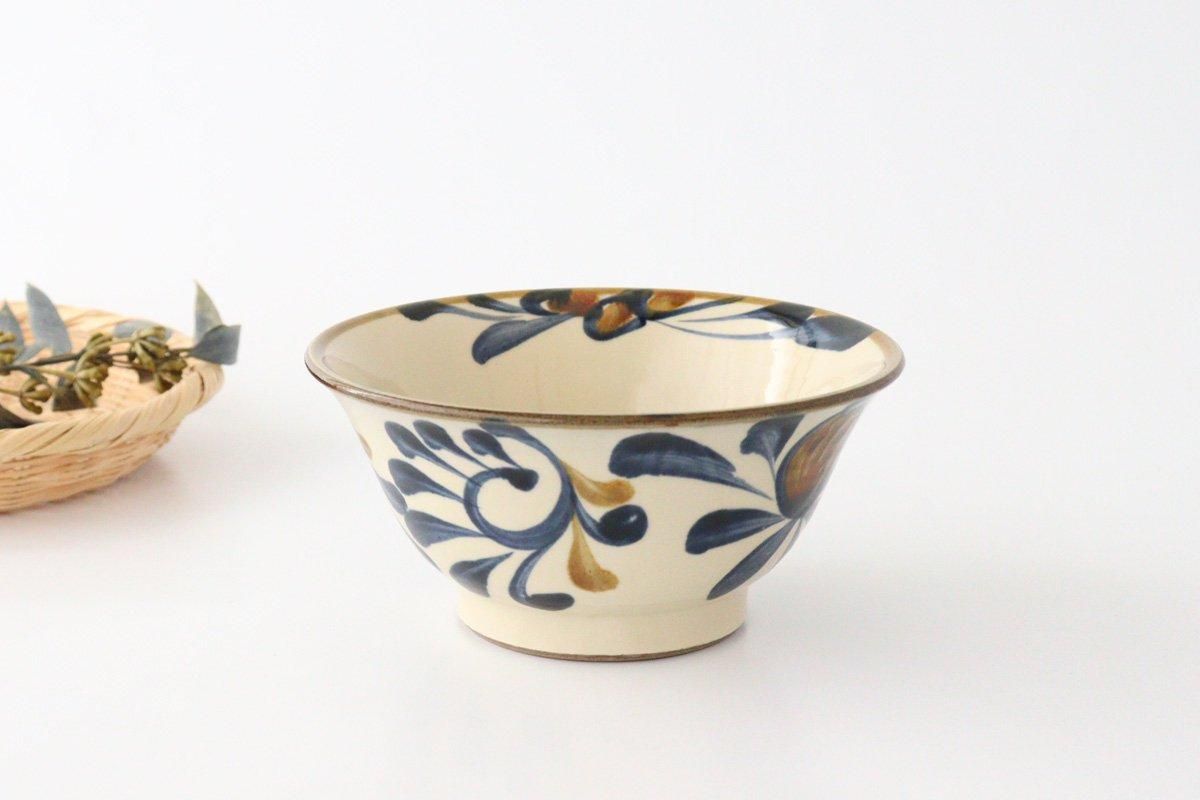
This soba makai makes cooking fun just by thinking about what to serve on it. 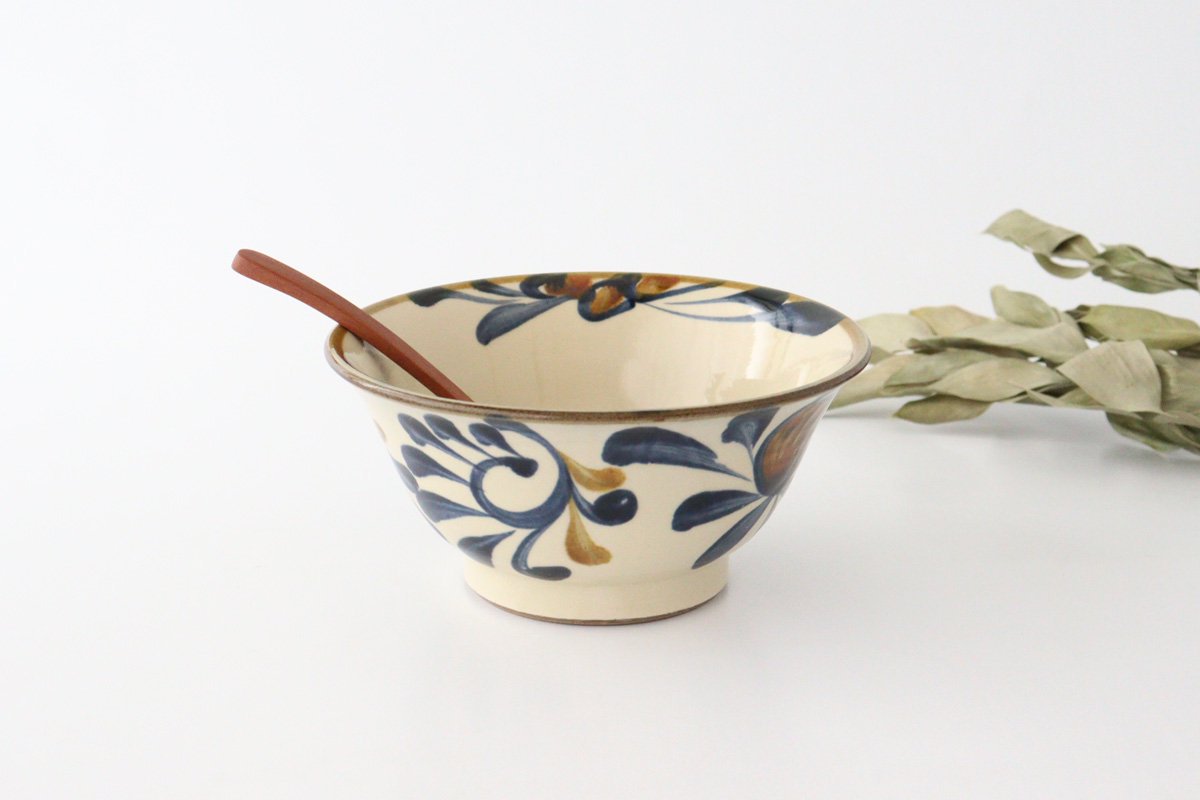 The gosu and amber-colored patterns stand out against the slightly creamy white background, and just looking at them will lift your spirits. The dynamic designs typical of Okinawa will brighten up your dining table.
While yachimun pottery is often perceived as being heavy and substantial, Toushingama's pottery is characterized by its neither too heavy nor too thick. The height of the base and the raised rim are exquisite, making it feel natural in your hand. Perhaps this is the result of a history of crafting everyday tableware that is in tune with the people who use it. 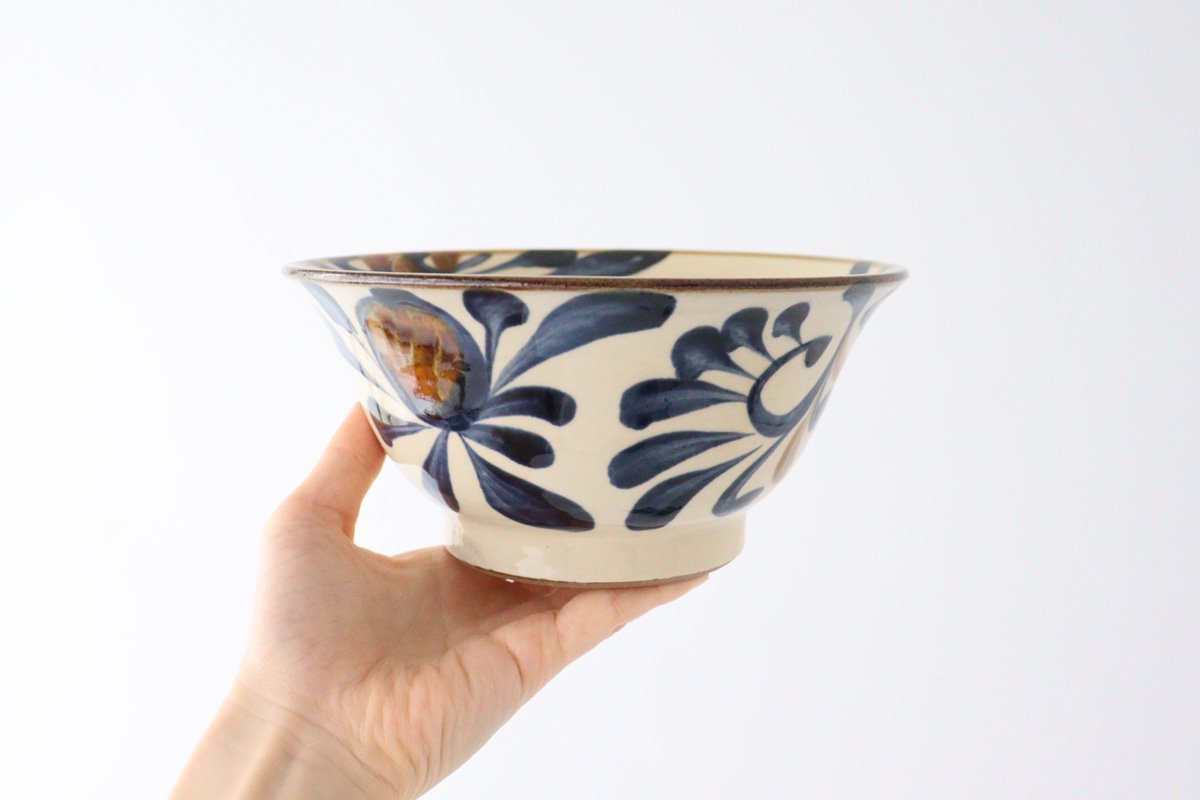
For noodles and rice bowls
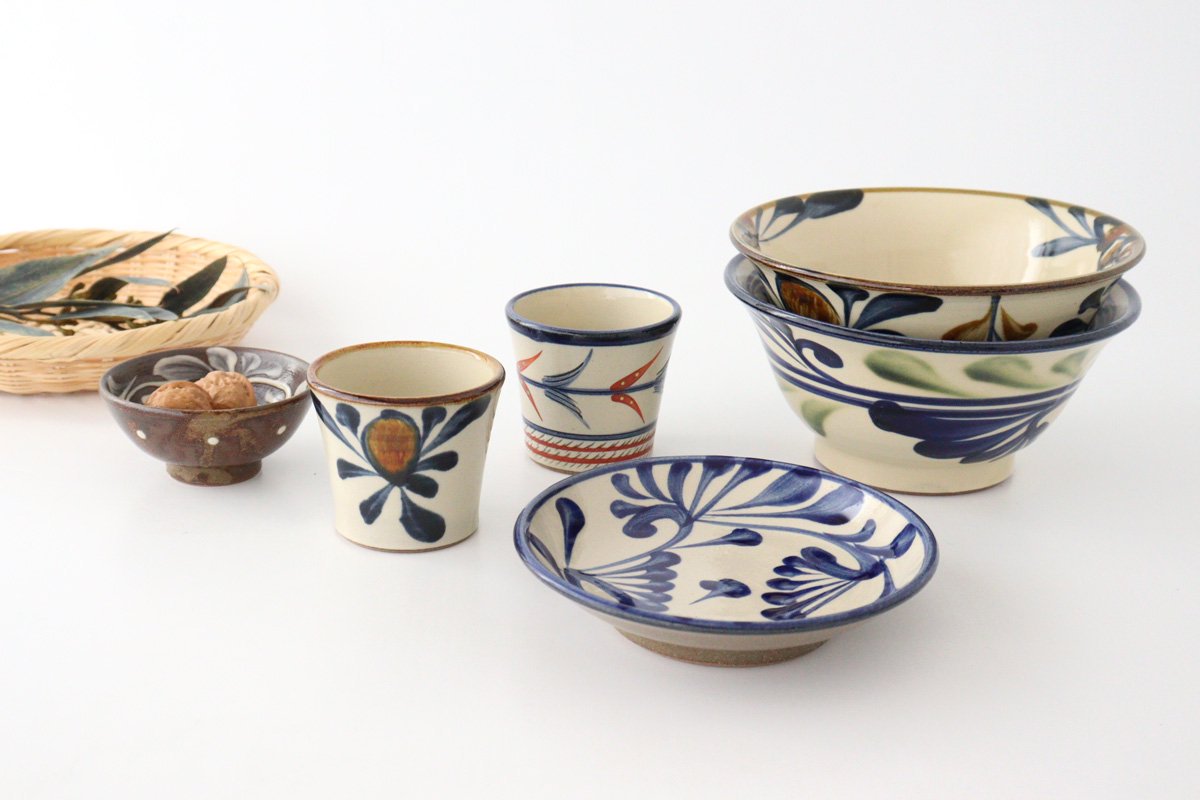
"Makai" means bowl in Okinawan. As the name "soba makai" suggests, this is perfect for serving noodles. 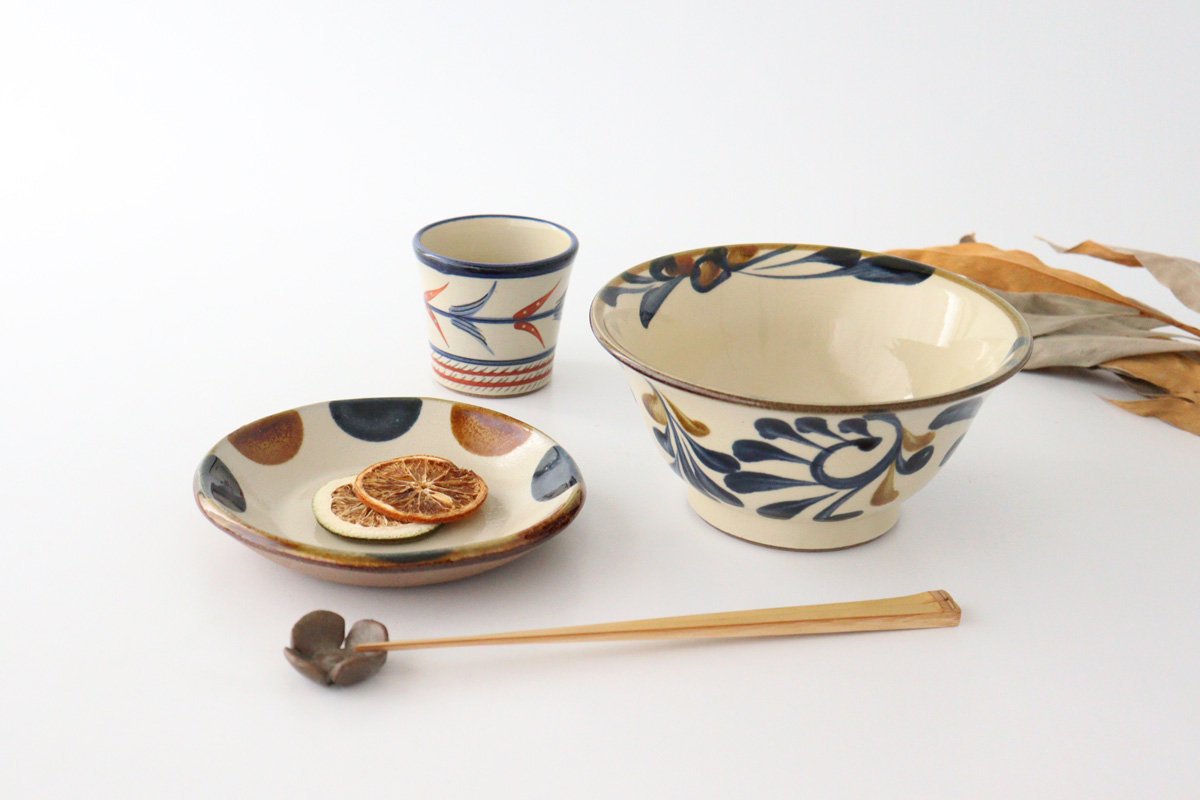 Drizzle fresh soy sauce over Sanuki udon noodles and top with green onions, ginger, tempura scraps, sesame seeds, and a squeeze of sudachi citrus fruit! You'll also enjoy the process of planning a meal, thinking, "I want to use this dish, so I'll make noodles." It's also perfect for serving hearty rice dishes like tempura bowls and pork cutlet bowls with sauce, or salads with daikon radish, mizuna, and plenty of bonito flakes. Stackable for storage! It's also great for keeping a selection for family and guests.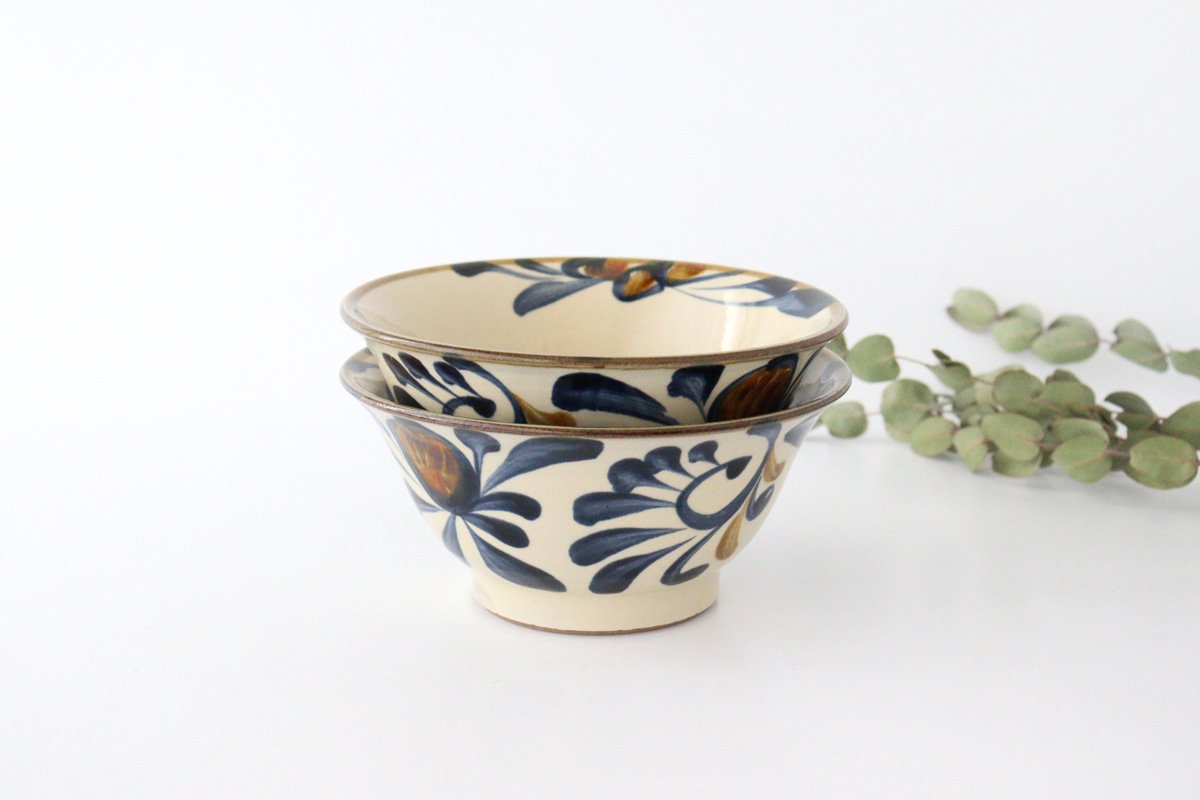
| Size | Diameter: Approx. 18.0-18.5cm Height: Approx. 8.5cm |
|---|---|
| Weight | Approx. 600g |
| Material | Ceramics |
| Microwave Dishwasher |
Microwave: No Dishwasher: No |
| Direct Flame Oven |
Direct Flame: No Oven: No |
| Recommended Maintenance from the Pottery Maker | ・Soaking in water for a while before use will help prevent stains and dirt from getting in. - Because it is highly absorbent, leaving it wet can cause mold and odor. Do not leave it as is after use. Wash it as soon as possible, wipe it with a dry cloth, and dry it thoroughly. |
| Product Characteristics/ Handling Precautions |
- Because it is handmade, there will be individual differences in color, shape, size, and thickness. - Pinholes may be found, and the pattern and color may vary. - Recommended for those who want to enjoy the warm texture unique to handmade items, each with its own unique look. - The vessel has a pattern called crazing, which resembles fine cracks in the glaze that appear on the surface. Unlike scratches, it does not leak water. Enjoy the unique flavor that changes due to crazing, a characteristic of handmade pottery. - Changes in color and texture may occur over time as you use it. - Prices may be revised or adjusted by the artist or potter. |
Things to Know Before Purchasing
Yachimun, Okinawan pottery, exudes a warmth that evokes the generous climate of Okinawa. Yachimun pottery often exhibits uneven glaze application, cracks called crazing, accumulations of glaze from multiple coats, irregularities, and pinholes. These are also part of the unique character of handmade pottery, giving it a unique texture not found in mass-produced items. We hope you enjoy them. [Individual Differences] 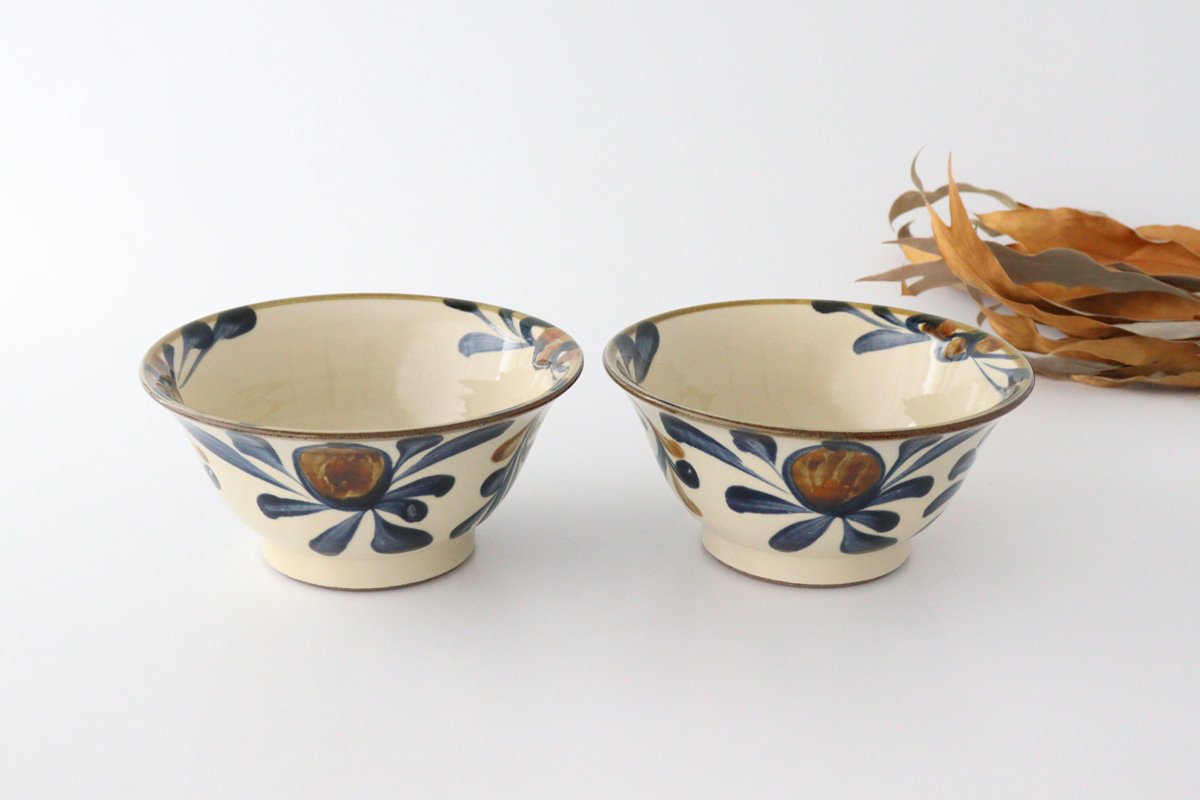 Because each piece is handmade, there will be individual differences in shape, size, thickness, etc. [Painting/Firing Unevenness]
  Since all pieces are hand-painted and handmade, there may be slight variations in line strength, thickness, and pattern application, even for the same product. Firing temperatures also vary depending on the location of the kiln, resulting in uneven firing. [Other Notes] 〇 Products that have passed inspection by the kiln and artist are inspected again before being delivered to customers.
■For more information, please click here. Characteristics of Utsuwa and Things to Know When Purchasing
About the Series

Tsuboya Ware Toshin Kiln
After training at Ikutoen in Tsuboya, Masakazu Soma established the kiln in Nakama, Onna Village, Okinawa Prefecture, as its owner in 1975.
In 1978, the kiln moved to Zakimi, Yomitan Village. It continues to operate to this day. While preserving the traditional techniques of Tsuboya ware, the company continues to create new works, such as unique red-glazed designs, blue-and-white designs, fish patterns, and ichin designs, under the motto of "always creating something new."
Tags


Kiln owner's recommendation for maintenance
-After use, wash the pot as soon as possible, dry it thoroughly, and store it in a dry place. Insufficient drying may cause mold and odor.
Product Characteristics/Handling Precautions
-There may be tiny holes. Patterns, and colors may vary.
-The surface of the items may have very small "black spots" or "paint splashes" or "pinholes that do not reach the base of the items.
-This product is recommended for those who want to enjoy the warm texture of handmade products with a different look and feel for each piece.
-The surface of the glaze may be cracked during use, but this is not a crack or breakage and will not interfere with its use.
-Prices are subject to review and revision by artists and potters.
What you need to know before purchasing
-The charm of handmade items lies in the fact that no two items are exactly alike, with tiny holes, cracked patterns, distortions, and the like, and that the colors, size, and shape of each piece vary slightly from one to another..
-The coloring, size, and shape of each piece is slightly different, and the charm of handmade items lies in the fact that they are not exactly the same.
-The finish is relatively uniform, but because it is handmade, there are individual differences in shape, size, color, and so on.